Workflow Automation
& Approvals
Reduce Manual Work, Standardize Processes, and Improve Operational Efficiency
BAGE Consulting helps businesses streamline operational workflows, automate approvals, and implement systems that improve coordination, visibility, and accountability across departments and teams
Do Manual Processes Slow Down Your Operations?
As businesses grow, approvals, follow-ups, task coordination, reporting, and operational communication become harder to manage manually.
Without structured workflows and automation, teams spend more time coordinating work than actually executing it
Why Operational Workflows Break Down as Businesses Grow
Most workflow challenges are not caused by people — they are caused by disconnected operational processes.
Over time, businesses often develop:
inconsistent approvals, manual coordination, fragmented communication, disconnected workflows, duplicated operational effort
Without structured systems, operational complexity increases rapidly.
No Standardized Operational Workflows
Departments and teams often manage approvals, requests, and operational tasks differently.
Disconnected Communication & Systems
Operational coordination occurs across emails, spreadsheets, chat tools, and disconnected applications.
Operational Knowledge Lives in Individuals
Processes rely heavily on specific employees instead of structured workflows and automated systems.
Limited Visibility & Accountability
Without workflow visibility, businesses struggle to monitor approvals, task progress, operational bottlenecks, and process efficiency.
Solutions Built Around Your
Operational Workflows
Whether you’re looking to automate approvals, streamline coordination, or improve operational visibility, we implement workflow automation solutions designed around how your business actually operates.
Inventory & Purchasing Capabilities

Approval Workflow Automation
Automate approvals for purchasing, expenses, projects, HR requests, operational tasks, and internal processes.

Task Routing & Operational Coordination
Automatically assign tasks, trigger notifications, escalate workflows, and coordinate operational activities.

Notifications & Automated Reminders
Reduce delays with automated alerts, reminders, escalations, and workflow follow-ups.
.

Document & Process Automation
Standardize forms, documentation workflows, approvals, operational records, and process coordination.

Employee & HR Workflow Automation
Automate onboarding, leave requests, approvals, scheduling workflows, and workforce coordination.

Procurement & Financial Workflow Automation
Connect procurement, approvals, purchasing, invoicing, and operational financial workflows.

Workflow Reporting & KPI Dashboards
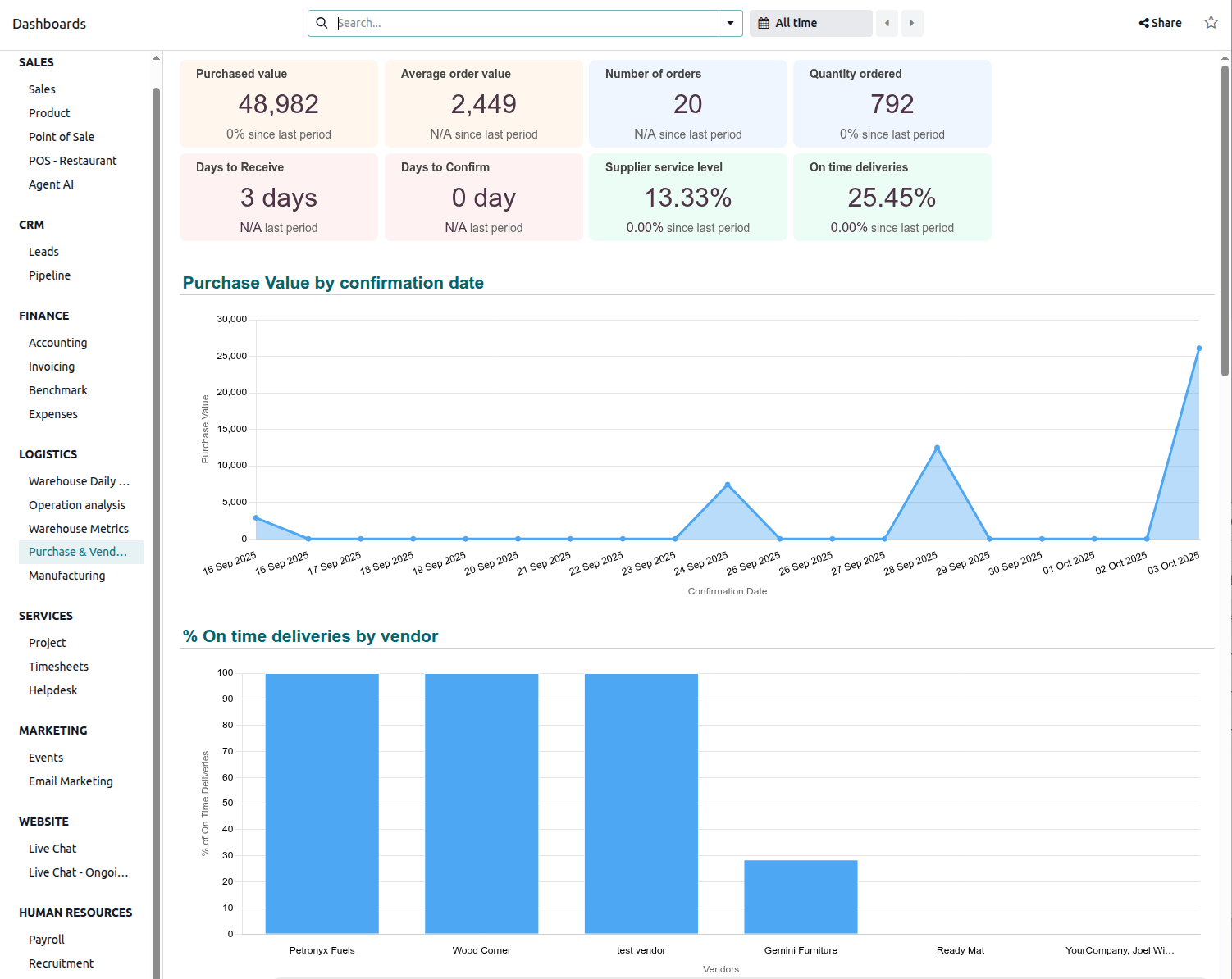
Access real-time dashboards across workflow status, approvals, operational bottlenecks, and team performance.

Cross-Department Workflow Integration
Connect workflows across sales, operations, finance, HR, inventory, and reporting within one system.
What Better Workflow Automation Looks Like
When operational workflows are clearly defined and supported by connected systems, businesses gain stronger operational control, better visibility, and significantly improved efficiency. Instead of relying on emails, spreadsheets, and manual coordination, teams operate through standardized workflows that improve accountability, consistency, and scalability.
Faster & More Consistent Approvals
→Standardize approval workflows across purchasing, expenses, projects, HR, and operational requests.
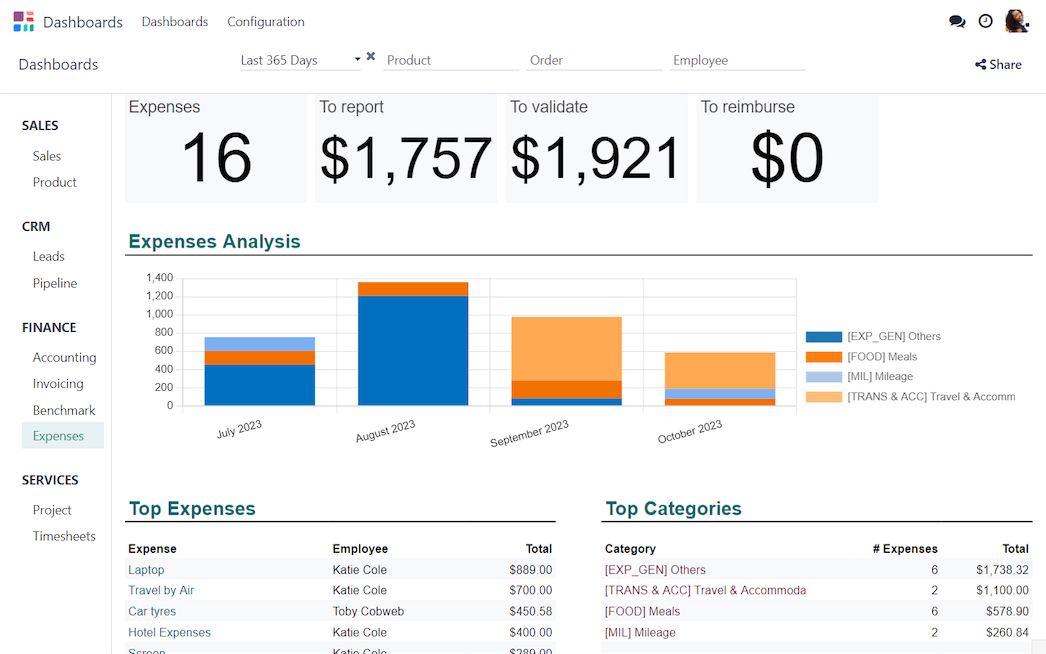
Reduced Manual Coordination
→Automate notifications, follow-ups, routing, approvals, and operational tasks across departments.
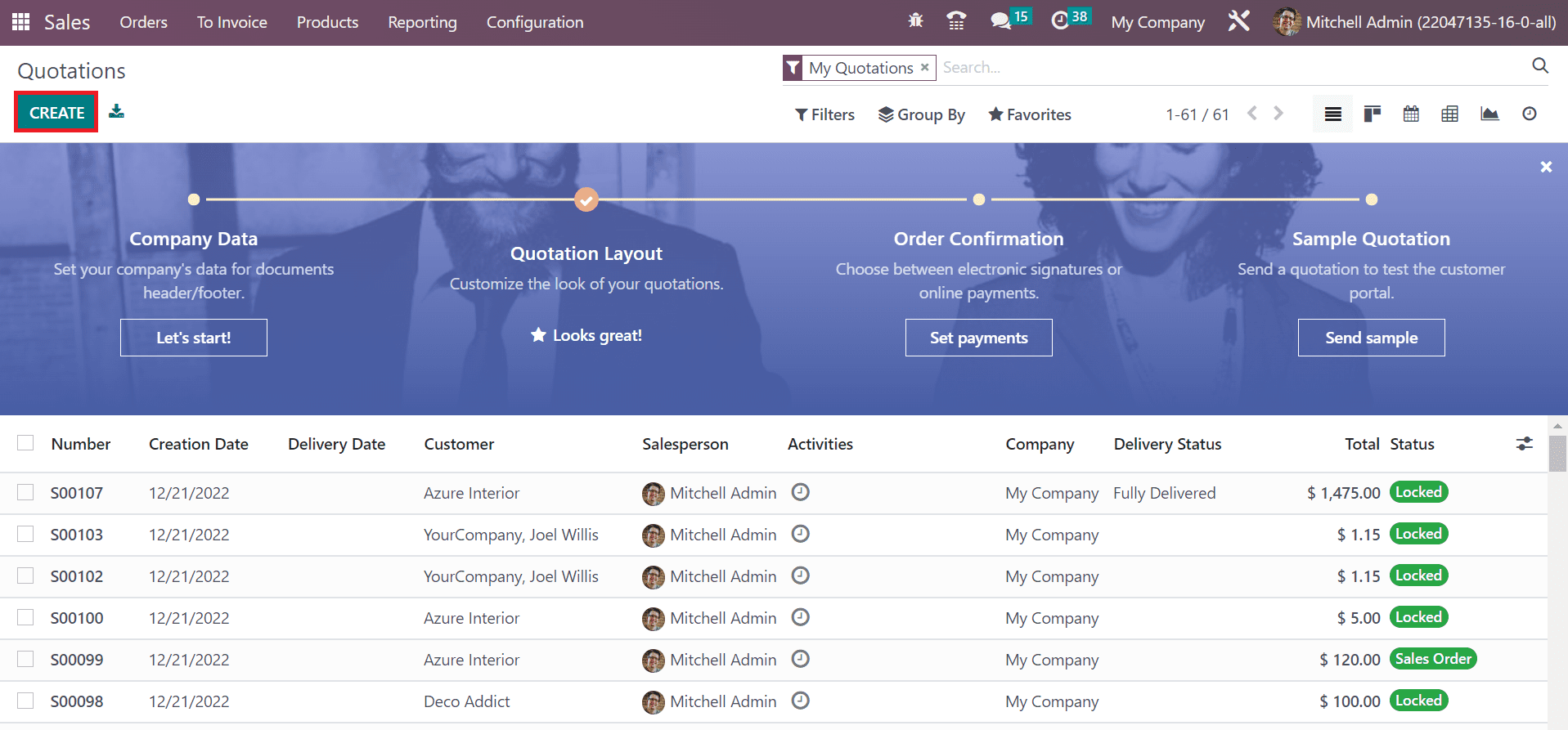
Improved Visibility Across Operations
→Track workflow status, bottlenecks, approvals, task progress, and operational performance in real time.
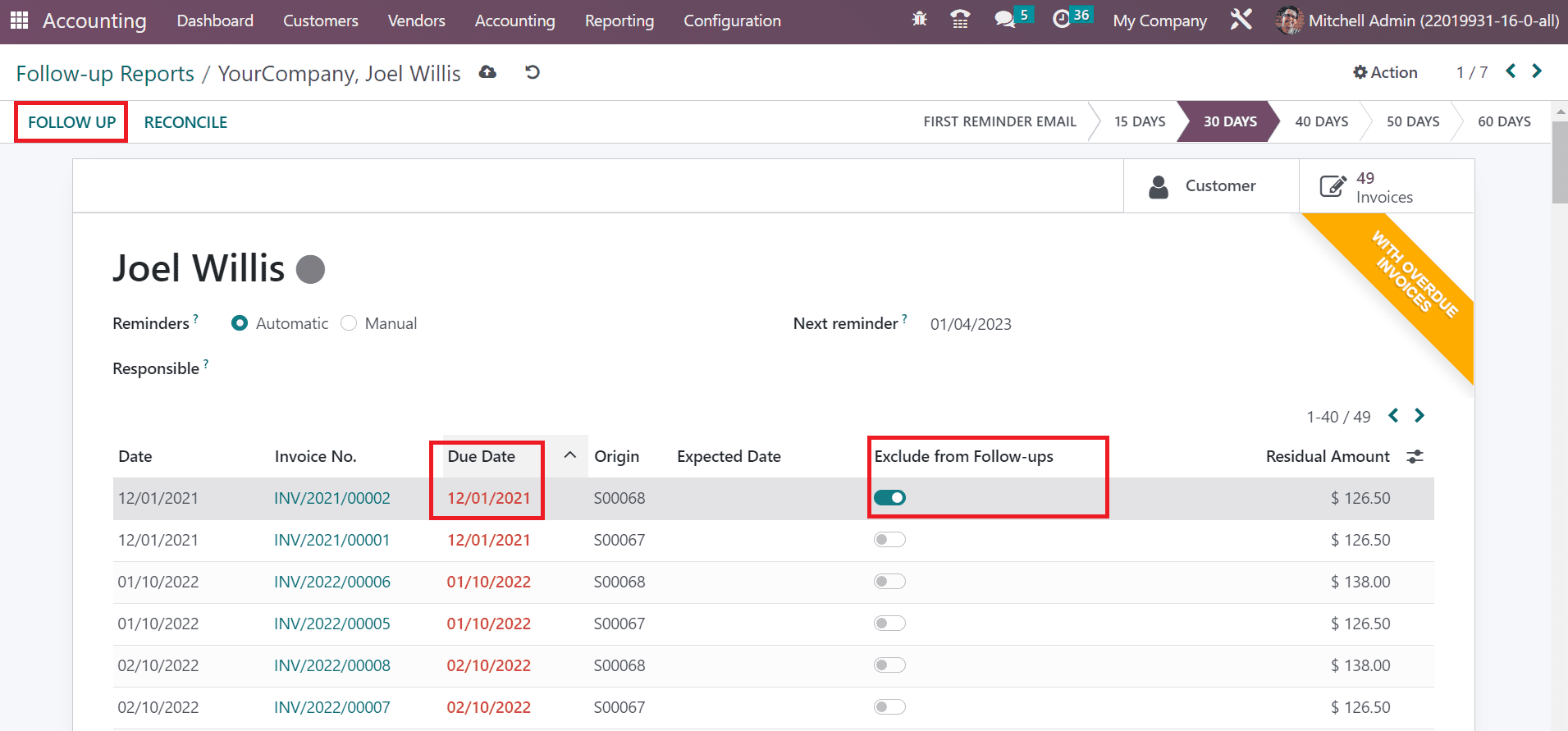
Better Accountability Across Teams
→Clearly define responsibilities, approvals, deadlines, and workflow ownership across the organization.
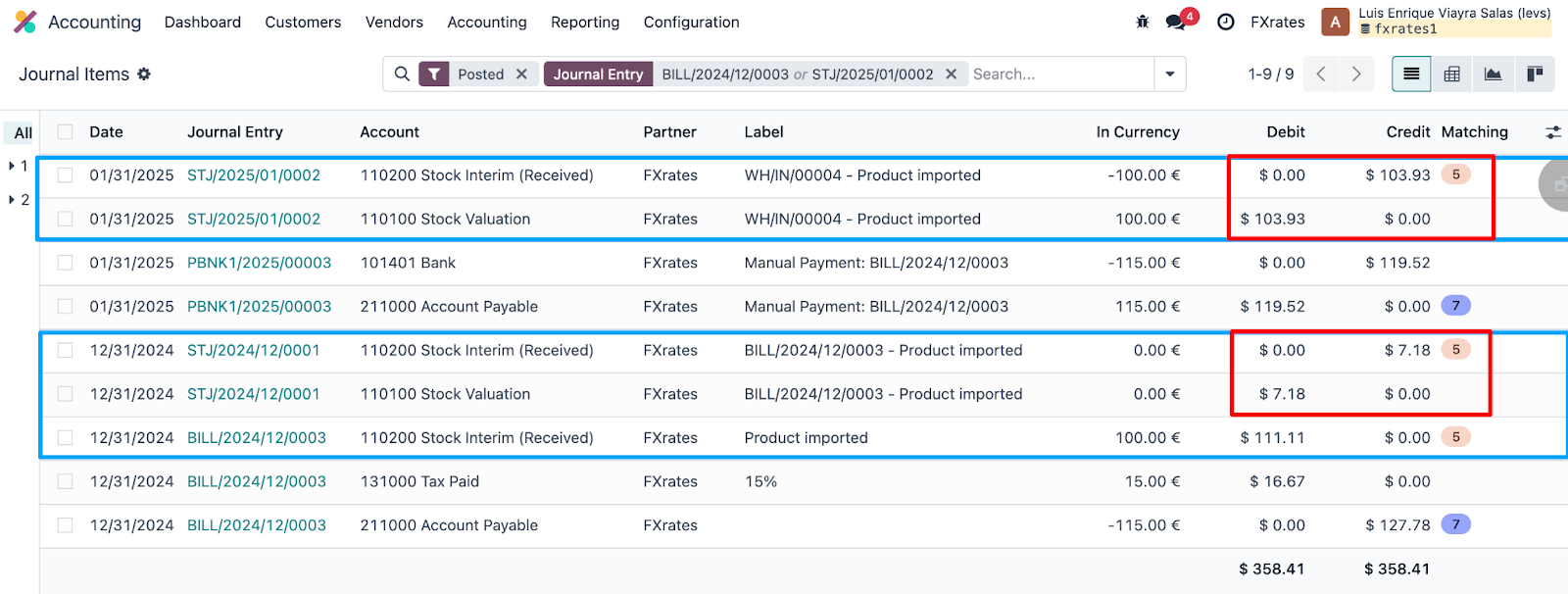
Improved Operational Efficiency
→Reduce duplicated work, manual errors, delays, and communication gaps through connected workflows.
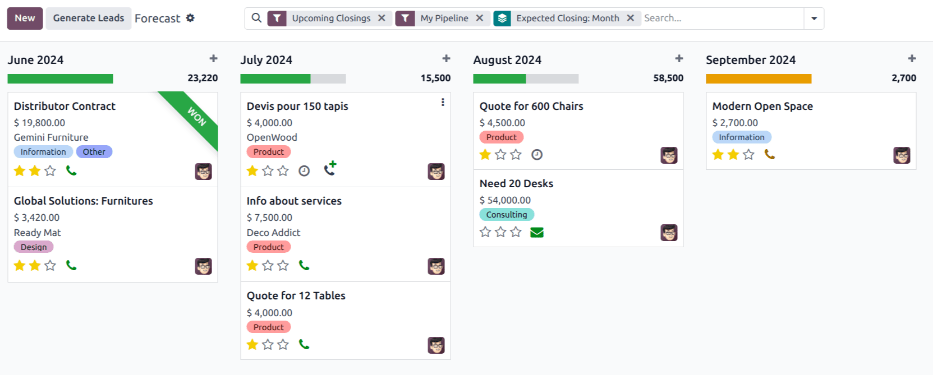
Standardized Processes Across Departments
→Ensure teams follow structured operational workflows that support consistency and scalability.
Scalable Operational Coordination
→As your business grows, your workflows scale without increasing administrative complexity.
What Better Workflow Automation Looks Like
When operational workflows are clearly defined and supported by connected systems, businesses gain stronger operational control, better visibility, and significantly improved efficiency. Instead of relying on emails, spreadsheets, and manual coordination, teams operate through standardized workflows that improve accountability, consistency, and scalability.
Faster & More Consistent Approvals
→Standardize approval workflows across purchasing, expenses, projects, HR, and operational requests.
Reduced Manual Coordination
→Automate notifications, follow-ups, routing, approvals, and operational tasks across departments.
Improved Visibility Across Operations
→Track workflow status, bottlenecks, approvals, task progress, and operational performance in real time.
Better Accountability Across Teams
→Clearly define responsibilities, approvals, deadlines, and workflow ownership across the organization.
Improved Operational Efficiency
→Reduce duplicated work, manual errors, delays, and communication gaps through connected workflows.
Standardized Processes Across Departments
→Ensure teams follow structured operational workflows that support consistency and scalability.
Scalable Operational Coordination
→As your business grows, your workflows scale without increasing administrative complexity.
The Right Platform to Support Workflow Automation
Once your operational workflows are clearly defined, the next step is implementing systems that support them effectively.
We work with Odoo because it provides a flexible, scalable ERP platform that connects workflow automation, approvals, reporting, operational coordination, and business processes within one integrated environment.
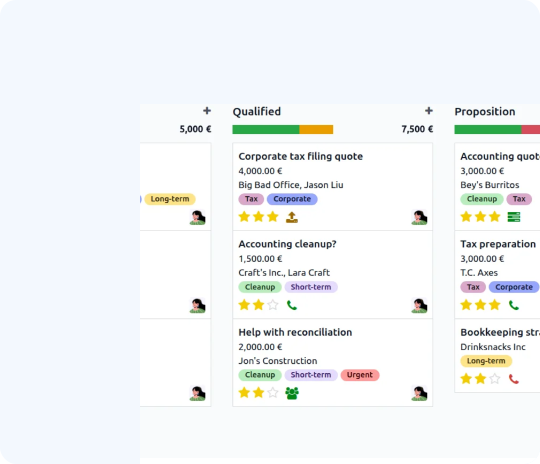
One Connected Operational Platform
Connect workflows across sales, finance, HR, procurement, inventory, reporting, and operations in one system.
Flexible & Open-Source By Design
As an open-source ERP platform, Odoo can be configured around your inventory and operational requirements.
Scalable as You Grow
Expand workflow automation and operational coordination without replacing systems as business complexity increases.
Real-Time Workflow Visibility
Track approvals, task progress, bottlenecks, operational KPIs, and workflow activity in real time.
Automated Operational Coordination
Reduce manual work through workflow automation, notifications, routing rules, escalations, and approvals.
Why Businesses Choose
BAGE Consulting
Successful workflow automation is not just about implementing software — it’s about improving how operations actually function.
Process-First Consulting Approach
We focus on improving operational workflows before implementing any technology or automation.
Operational Workflow Expertise
We understand how approvals, coordination, reporting, communication, and operational processes connect across businesses.

Business Visibility & Process Improvement Focus
We help businesses improve accountability, operational visibility, workflow efficiency, and scalability.
Structured Implementation & Ongoing Support
From workflow design to implementation and post-go-live support, we guide businesses through every stage.
Built for Canadian Businesses
We design systems aligned with Canadian operational structures, business workflows, and reporting requirements.
Workflow Automation & Approvals — FAQs
What Is Workflow Automation?
Workflow automation is the process of using systems and technology to automate operational tasks, approvals, notifications, and business processes.
This can include:
- approval routing
- task assignments
- notifications
- reminders
- operational coordination
- document workflows
- reporting automation
The goal is to reduce manual work, improve efficiency, and standardize operations.
Why Do Businesses Need Workflow Automation?
As businesses grow, manual coordination becomes difficult to manage because:
- approvals get delayed
- communication becomes fragmented
- operational tasks are missed
- workflows become inconsistent
- administrative overhead increases
Workflow automation helps businesses improve operational efficiency and scalability.
What Processes Should Be Automated?
Businesses commonly automate workflows such as:
- purchasing approvals
- expense approvals
- HR requests
- onboarding
- operational task routing
- reporting workflows
- project approvals
- inventory coordination
The right workflows depend on operational complexity and business needs.
How Does Workflow Automation Improve Operations?
Workflow automation improves operations by:
- reducing manual work
- improving visibility
- standardizing processes
- improving accountability
- reducing delays
- improving coordination
- increasing operational consistency
This helps businesses operate more efficiently as they grow.
Can Odoo Be Used For Workflow Automation?
Yes.
Odoo is widely used for workflow automation because it connects:
- approvals
- operational workflows
- reporting
- notifications
- HR
- purchasing
- inventory
- CRM
- accounting
within one integrated ERP platform.
Its flexibility allows businesses to configure workflows around their operational requirements
What Is Approval Workflow Automation?
Approval workflow automation standardizes how requests move through the business.
Examples include:
- purchase approvals
- expense approvals
- project approvals
- leave requests
- operational authorizations
This improves accountability, visibility, and operational consistency
How Long Does Workflow Automation Implementation Take?
Implementation timelines depend on:
- workflow complexity
- operational requirements
- integrations
- customization needs
- number of departments involved
Simple workflow automation may take weeks, while larger operational transformations can take several months.
A phased implementation approach often improves adoption and operational stability.
Why Do Workflow Automation Projects Fail?
Most workflow automation projects fail because businesses automate inefficient processes instead of improving them first.
Common causes include:
- unclear workflows
- inconsistent processes
- poor user adoption
- disconnected systems
- lack of operational visibility
A process-first implementation approach significantly improves long-term success.
What Are The Benefits Of Connected Workflow Systems?
Connected workflow systems improve:
- operational visibility
- accountability
- reporting
- coordination
- communication
- scalability
- efficiency
This allows businesses to operate through standardized, structured processes instead of reactive coordination
Why Are Businesses Moving Away From Manual Operational Coordination?
Businesses eventually outgrow manual coordination because:
- operational complexity increases
- approvals become difficult to manage
- communication becomes fragmented
- reporting becomes inconsistent
- administrative work slows productivity
Connected workflow systems improve operational efficiency, visibility, and scalability.
Start Building More Efficient
Operational Workflows
If approvals, coordination, reporting, and operational processes feel more complicated than they should, your workflows may be the reason.
We’ll help you identify inefficiencies, improve operational coordination, and implement systems that support scalable, connected workflow automation.