Inventory, Warehouse & Purchasing Management
Improve Inventory Visibility, Purchasing Control, and Operational Efficiency
BAGE Consulting helps businesses streamline inventory operations, improve warehouse visibility, and implement systems that support how inventory, purchasing, and operational workflows actually function — from procurement and stock management to fulfillment, reporting, and supplier coordination.
Does Managing Inventory & Purchasing Feel More Complicated Than It Should?
As products, suppliers, warehouses, purchasing activity, and operational demands increase, businesses often struggle with
disconnected systems, limited inventory visibility, and inefficient procurement workflows.
Without structured processes and connected systems, inventory operations become reactive instead of controlled.
Why Inventory & Purchasing Operations Break Down as Businesses Grow
Most inventory and procurement challenges are not caused by lack of effort — they are caused by
disconnected operational workflows.
Over time, businesses often add separate systems for:
inventory tracking, purchasing, warehousing, fulfillment, accounting, reporting, supplier coordination
While each system may solve one operational requirement, overall visibility and coordination become fragmented.
No Connected Procure-to-Inventory Process
Purchasing, receiving, inventory management, fulfillment, and reporting workflows often operate separately.
Disconnected Systems & Inventory Data
Warehouse activity, purchasing information, supplier records, and operational reporting exist across disconnected tools and spreadsheets
Manual Processes Reduce Operational Efficiency
Teams spend excessive time managing inventory counts, approvals, stock updates, and procurement coordination manually.
Limited Visibility &
Inventory
Control
Without structured workflows and connected systems, businesses struggle to manage inventory accuracy, operational demand, and purchasing performance.
Solutions Built Around Your
Inventory & Purchasing Operations
Whether you’re looking to improve inventory visibility, streamline procurement workflows, or centralize warehouse operations,
we implement inventory and purchasing solutions designed around how your business actually operates.
Inventory & Purchasing Capabilities

Inventory Tracking & Stock Visibility
Monitor stock levels, inventory movement, availability, and operational demand through one connected system.

Warehouse Management & Fulfillment
Manage receiving, picking, transfers, storage, fulfillment, and warehouse coordination more efficiently.

Purchasing & Supplier Management
Standardize purchase requests, approvals, supplier coordination, procurement workflows, and operational oversight.

Replenishment & Demand Planning
Improve inventory forecasting, reordering workflows, stock planning, and operational continuity.

Workflow Automation & Approvals
Automate procurement approvals, stock updates, notifications, replenishment workflows, and operational coordination.

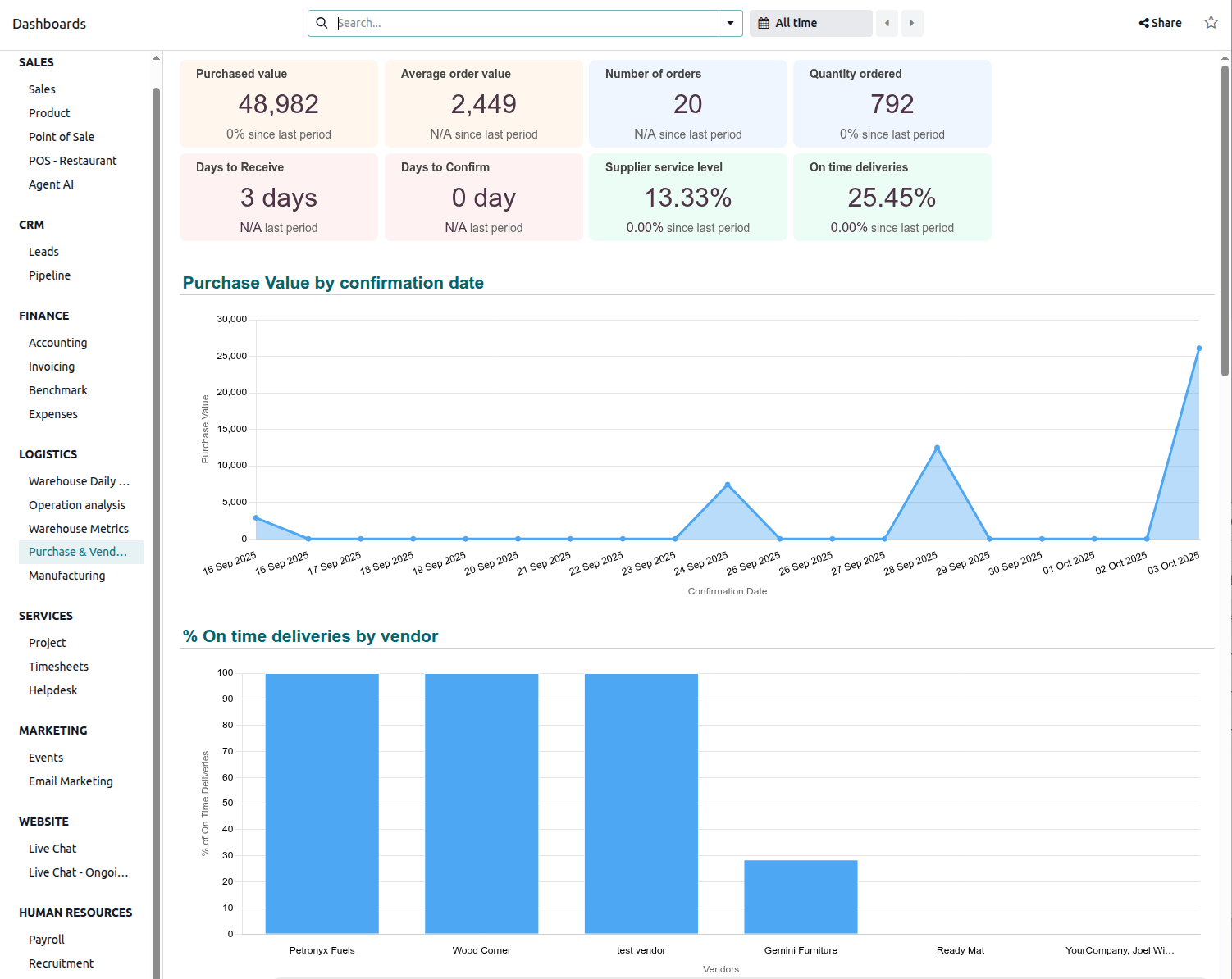
Inventory Reporting & KPI Dashboards
Access real-time dashboards across inventory activity, purchasing performance, warehouse operations, and operational KPIs.

Multi-Location Inventory Visibility
Track inventory, transfers, warehouse activity, and operational performance across multiple locations.

Accounting & Operational Integration
Connect purchasing, inventory, fulfillment, invoicing, and financial reporting into one integrated operational workflow.
What Better Inventory & Purchasing Operations Look Like
When inventory, warehouse, and procurement workflows are clearly defined and supported by connected systems, businesses gain stronger operational control, better visibility, and more efficient day-to-day operations. Instead of relying on spreadsheets, disconnected tools, and manual coordination, teams operate through structured workflows that improve accuracy, accountability, and scalability.
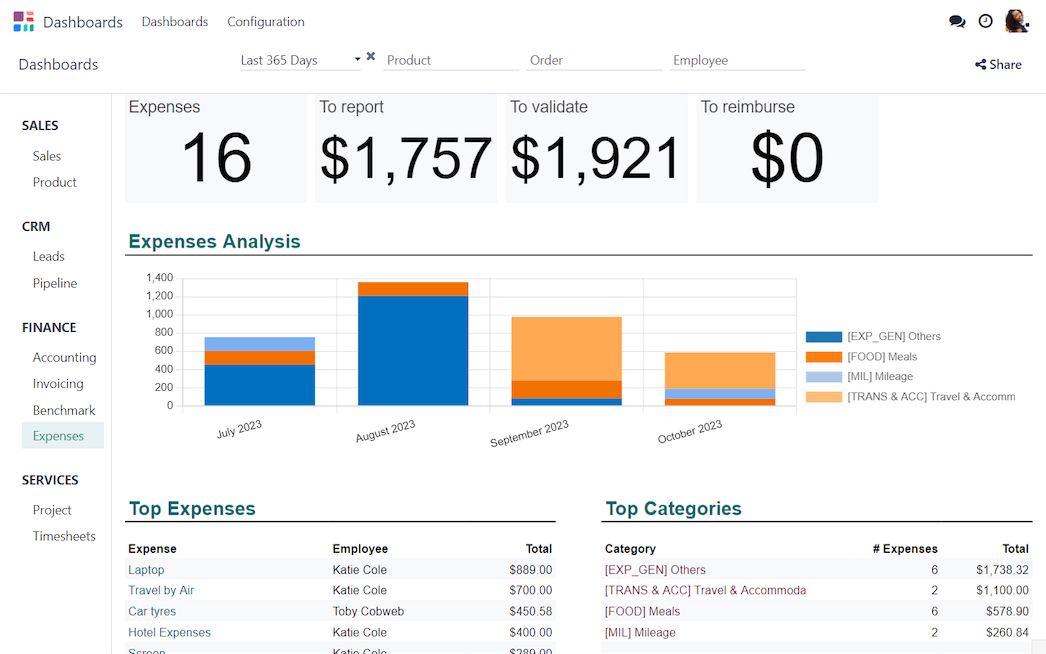
Real-Time Inventory Visibility
→Track inventory levels, stock movement, warehouse activity, and operational demand in real time.
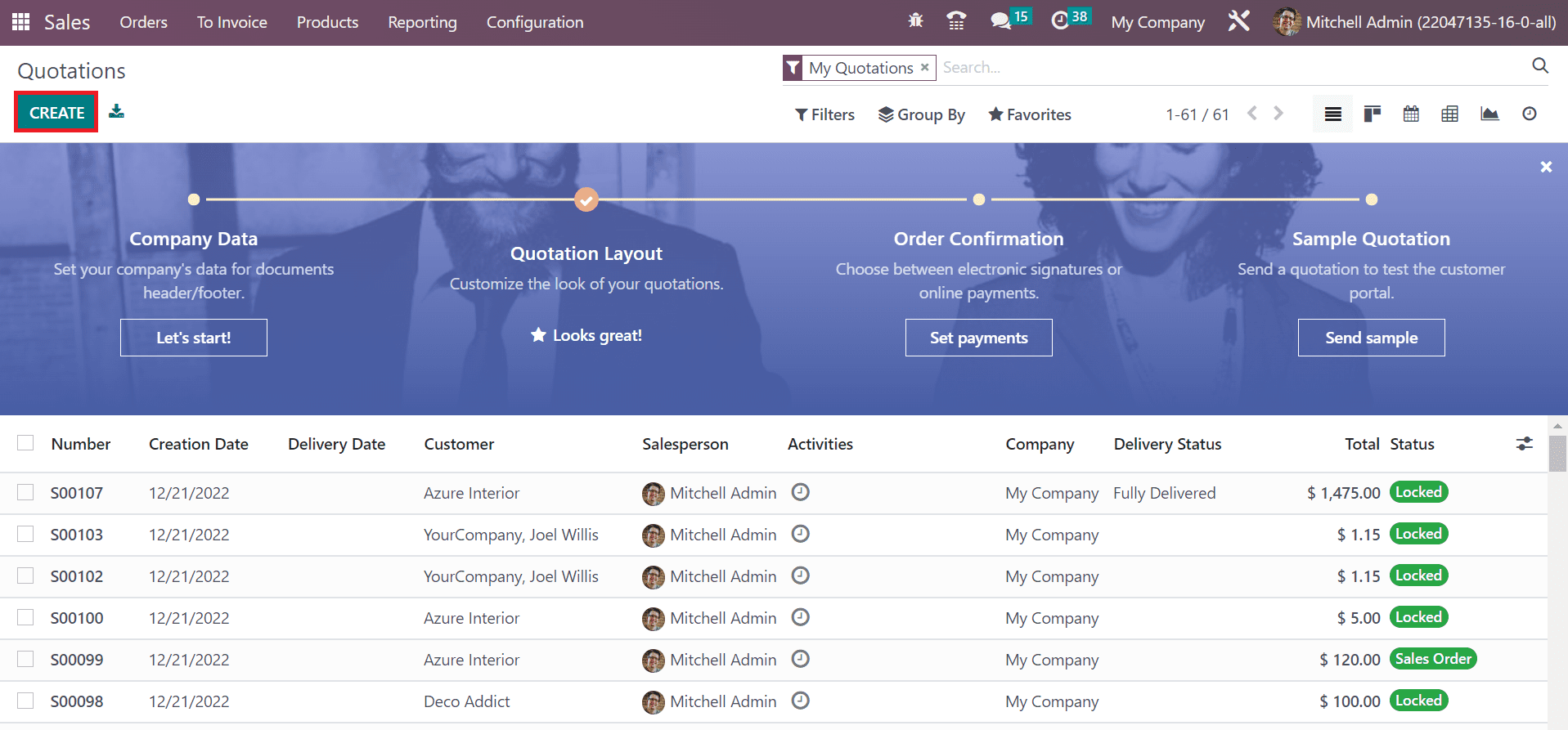
Improved Purchasing & Supplier Coordination
→Standardize procurement workflows, approvals, supplier communication, and purchasing visibility across operations.
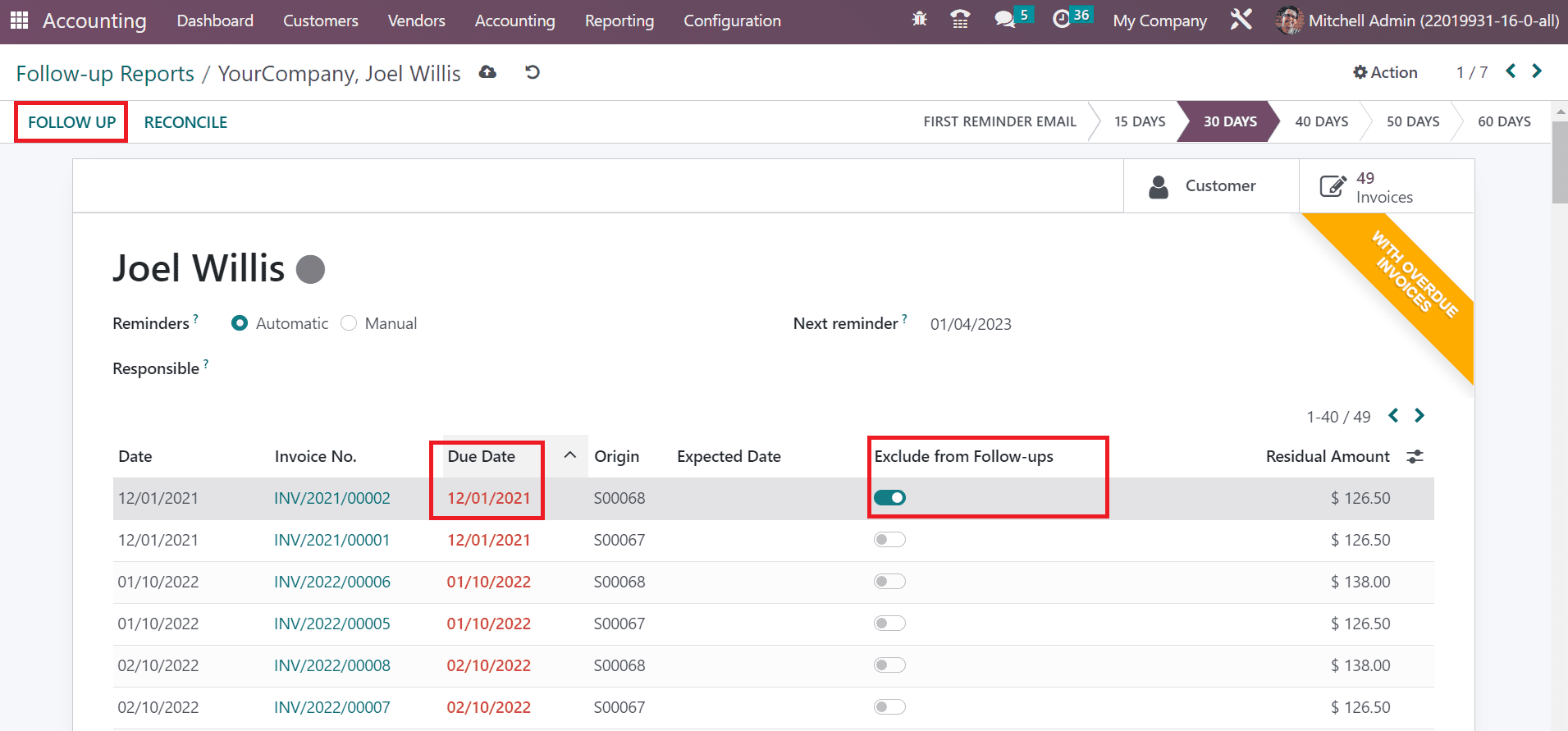
Reduced Stockouts & Overstocking
→Improve demand planning, replenishment visibility, and inventory accuracy to support operational continuity.
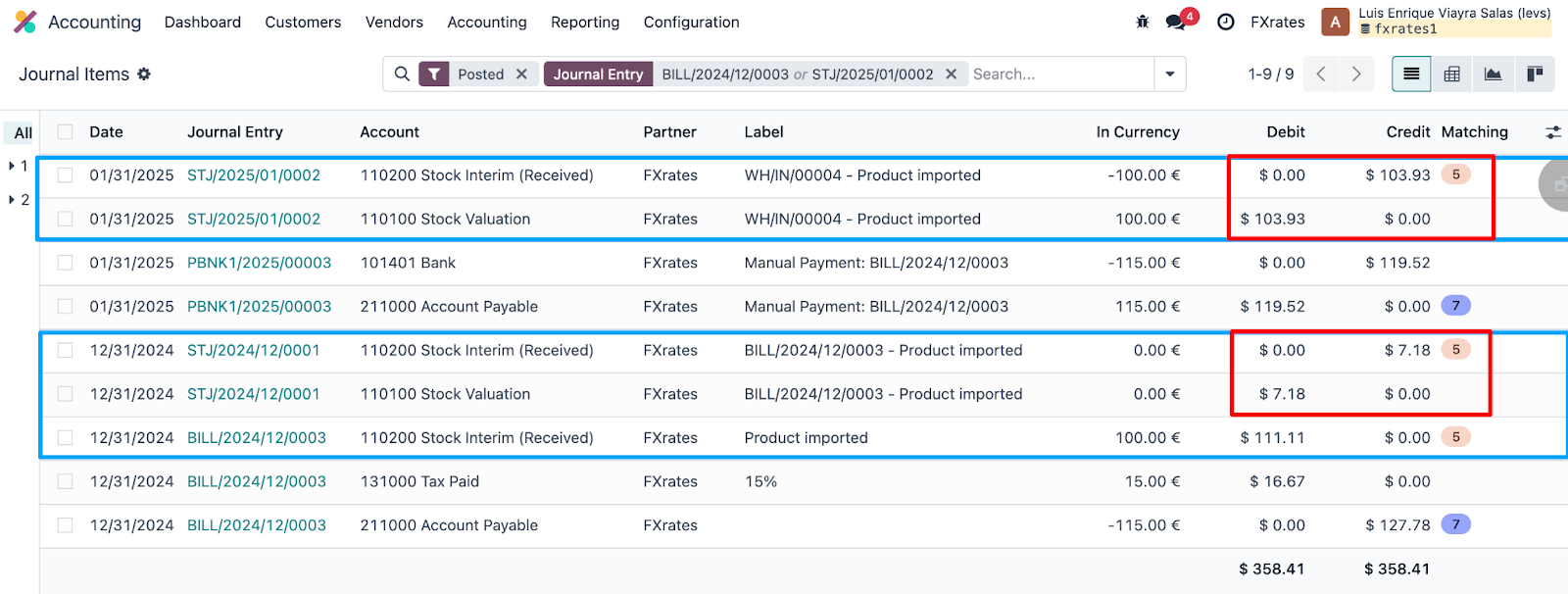
Better Warehouse Efficiency
→Streamline receiving, picking, transfers, fulfillment, and stock tracking through connected operational workflows.
Faster & More Accurate Reporting
→Access real-time reporting across inventory activity, purchasing, warehouse operations, and supplier performance.
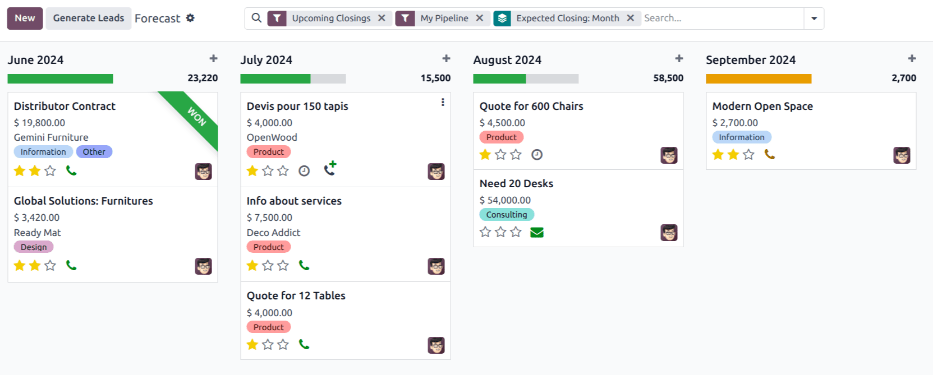
Reduced Manual Work
→Automate approvals, stock updates, purchasing coordination, notifications, and operational workflows.
Scalable Inventory Operations
→As products, suppliers, warehouses, and transactions increase, your systems and workflows scale alongside the business.
What Better Inventory & Purchasing Operations Look Like
When inventory, warehouse, and procurement workflows are clearly defined and supported by connected systems, businesses gain stronger operational control, better visibility, and more efficient day-to-day operations. Instead of relying on spreadsheets, disconnected tools, and manual coordination, teams operate through structured workflows that improve accuracy, accountability, and scalability.
Real-Time Inventory Visibility
→Track inventory levels, stock movement, warehouse activity, and operational demand in real time.
Improved Purchasing & Supplier Coordination
→Standardize procurement workflows, approvals, supplier communication, and purchasing visibility across operations.
Reduced Stockouts & Overstocking
→Improve demand planning, replenishment visibility, and inventory accuracy to support operational continuity.
Better Warehouse Efficiency
→Streamline receiving, picking, transfers, fulfillment, and stock tracking through connected operational workflows.
Faster & More Accurate Reporting
→Access real-time reporting across inventory activity, purchasing, warehouse operations, and supplier performance.
Reduced Manual Work
→Automate approvals, stock updates, purchasing coordination, notifications, and operational workflows.
Scalable Inventory Operations
→As products, suppliers, warehouses, and transactions increase, your systems and workflows scale alongside the business.
The Right Platform to Support Inventory & Warehouse Operations
Once your inventory and procurement workflows are clearly defined, the next step is implementing systems that support them effectively.
We work with Odoo because it provides a flexible, scalable ERP platform that connects inventory, warehousing, purchasing, fulfillment, reporting, and operational workflows within one integrated system.
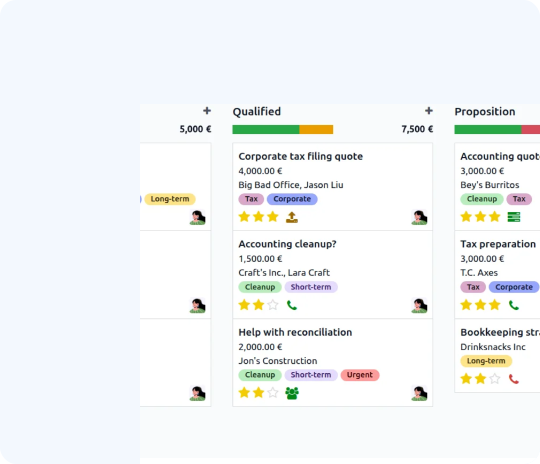
One Connected Operational Platform
Connect inventory, purchasing, warehousing, fulfillment, accounting, reporting, and supplier coordination in one system.
Flexible & Open-Source By Design
As an open-source ERP platform, Odoo can be configured around your inventory and operational requirements.
Scalable as You Grow
Expand operational functionality and inventory visibility without replacing systems as business complexity increases.
Real-Time
Inventory & Procurement Visibility
Access accurate stock levels, purchasing activity, supplier reporting, and warehouse visibility in real time.
Automated Workflows
& Operational Coordination
Reduce manual work through automated approvals, replenishment workflows, stock updates, and procurement coordination.
Why Businesses Choose
BAGE Consulting
Successful inventory and purchasing system implementation is not just about selecting software — it’s about improving how operational workflows actually function.
Process-First Consulting Approach
We focus on improving inventory, warehouse, and procurement workflows before implementing any technology.
Operational & Inventory Expertise
We understand how inventory, purchasing, fulfillment, supplier coordination, and operational reporting connect across businesses.

Financial & Operational Visibility Focus
We align inventory operations with purchasing oversight, operational reporting, profitability visibility, and financial control.
Structured Implementation & Ongoing Support
From workflow design and implementation to post-go-live support, we guide businesses through every stage.
Built for Canadian Businesses
We design systems aligned with Canadian operational structures, inventory workflows, and reporting requirements.
Inventory, Warehouse & Purchasing Management — FAQs
What Is Inventory Management Software?
Inventory management software helps businesses track, manage, and control inventory operations across purchasing, warehousing, fulfillment, and operational workflows.
This can include:
- stock tracking
- warehouse management
- purchasing
- replenishment
- supplier coordination
- inventory reporting
- operational visibility
The goal is to improve inventory accuracy, operational efficiency, and business visibility
Why Do Inventory Management Systems Become Difficult To Manage?
As businesses grow, inventory operations become more complex because:
- inventory data exists across multiple systems
- purchasing workflows become inconsistent
- warehouse coordination becomes fragmented
- reporting visibility decreases
- manual tracking increases operational risk
Connected ERP systems help centralize inventory visibility and operational control
What Is The Best Inventory Management Software For Businesses?
The best inventory management software depends on:
- operational complexity
- warehouse structure
- purchasing requirements
- reporting needs
- scalability goals
Odoo is a strong option because it combines:
- inventory management
- purchasing
- warehouse operations
- fulfillment
- accounting
- reporting
- workflow automation
- supplier management
within one integrated ERP platform.
How Does ERP Improve Inventory Visibility?
ERP systems improve inventory visibility by:
- centralizing stock tracking
- connecting purchasing and fulfillment
- automating stock updates
- improving warehouse coordination
- providing real-time reporting
- connecting operational workflows
This helps businesses improve inventory accuracy and operational decision-making.
Can ERP Improve Purchasing & Procurement Workflows?
Yes.
ERP systems improve procurement workflows by:
- standardizing approvals
- automating purchase requests
- improving supplier visibility
- connecting purchasing with inventory
- improving operational coordination
- reducing manual processes
This creates better procurement control and operational efficiency.
What Is Procure-to-Pay (P2P)?
Procure-to-Pay (P2P) is the operational procurement workflow:
Purchase Request → Approval → Vendor → Delivery → Invoice → Payment
ERP systems improve this process by connecting approvals, purchasing, inventory, and financial reporting within one workflow.
Can Odoo Be Used For Inventory & Warehouse Management?
Yes.
Odoo is widely used for inventory and warehouse management because it connects:
- purchasing
- inventory tracking
- warehouse operations
- replenishment
- fulfillment
- accounting
- reporting
- operational workflows
within one integrated ERP system.
Its flexibility also allows businesses to configure workflows around their operational requirements
How Long Does Inventory System Implementation Take?
Implementation timelines depend on:
- operational complexity
- warehouse structure
- number of products
- integrations
- workflow requirements
- reporting needs
Simple implementations may take weeks, while larger operational transformations can take several months.
A phased implementation approach often improves adoption and reduces operational disruption
What Processes Should Inventory Systems Improve?
Inventory systems should improve workflows such as:
- Procure-to-Pay (P2P)
- Inventory-to-Fulfillment
- Warehouse Receiving
- Replenishment & Demand Planning
- Supplier Coordination
- Inventory Reporting & Visibility
When these workflows are connected and standardized, inventory operations become significantly more efficient.
Why Are Businesses Moving Away From Spreadsheet-Based Inventory Tracking?
Businesses eventually outgrow spreadsheets because:
- stock visibility becomes limited
- reporting becomes inconsistent
- warehouse coordination becomes difficult
- purchasing workflows become fragmented
- manual tracking increases operational risk
Connected ERP systems improve inventory accuracy, operational visibility, efficiency, and scalability.
Start Building Better Inventory
& Purchasing Operations
If inventory tracking, warehouse coordination, purchasing workflows, and operational visibility feel more complicated than they should, your operational workflows may be the reason.
We’ll help you identify inefficiencies, improve inventory processes, and implement systems that support scalable, connected inventory and procurement operations.